Erin Addison — Landscapes & Landscape Architecture
Erin Addison’s landscape architecture work brings together design, research, conservation, and environmental stewardship. With over 30 years of experience in cultural and natural heritage conservation, Addison’s work has focused on the relationships between people, natural systems, cultural heritage, and the landscapes they inhabit.
Cultural & Natural Heritage
Addison’s work examines landscapes where cultural heritage and natural systems intersect. Her professional experience includes rangelands, tourism sites, national parks, and UNESCO World Heritage Sites.
Arid Land Planning
Working in arid landscapes requires careful consideration of water, ecology, land use, cultural history, and long-term sustainability. Addison’s experience in Jordan and the wider Middle East has shaped her understanding of these interconnected challenges.
Landscape Analysis
Detailed site analysis is an important part of Addison’s approach to landscape architecture. Understanding a landscape’s history, ecology, cultural significance, patterns of use, and environmental conditions helps inform responsible approaches to design and conservation.
Conservation & Stewardship
Landscape conservation is not simply about preserving a place. It also involves understanding how people use and value that place and how its natural and cultural resources can be protected for the future. This principle is central to Addison’s approach and reflects the legal construct of usufruct that informs Addison Usufruct.
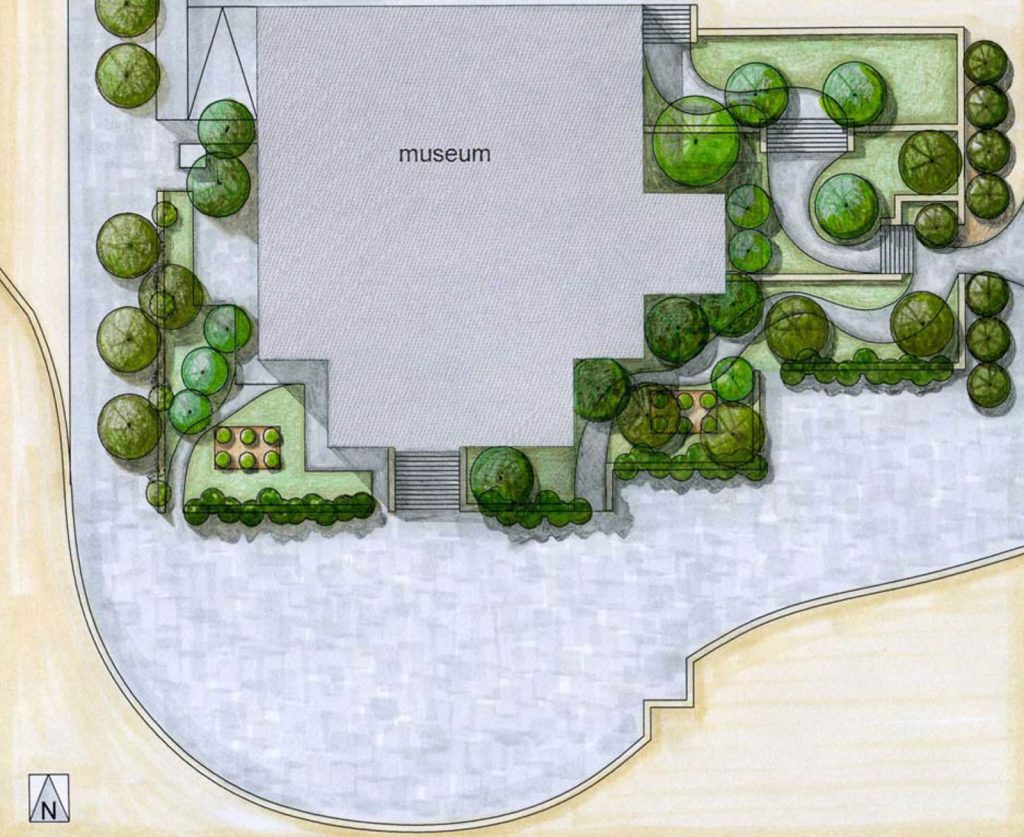
“Water-conscious” is my way of saying xeriscape, a good word that has developed the connotation of sad, sparse, dull design. A garden can be lush and beckoning without abusing scarce resources. I create inviting spaces by judicious use of hardscape, strategic creation of shade,and deployment of appropriate native species – plants which thrive in your weather and soils.
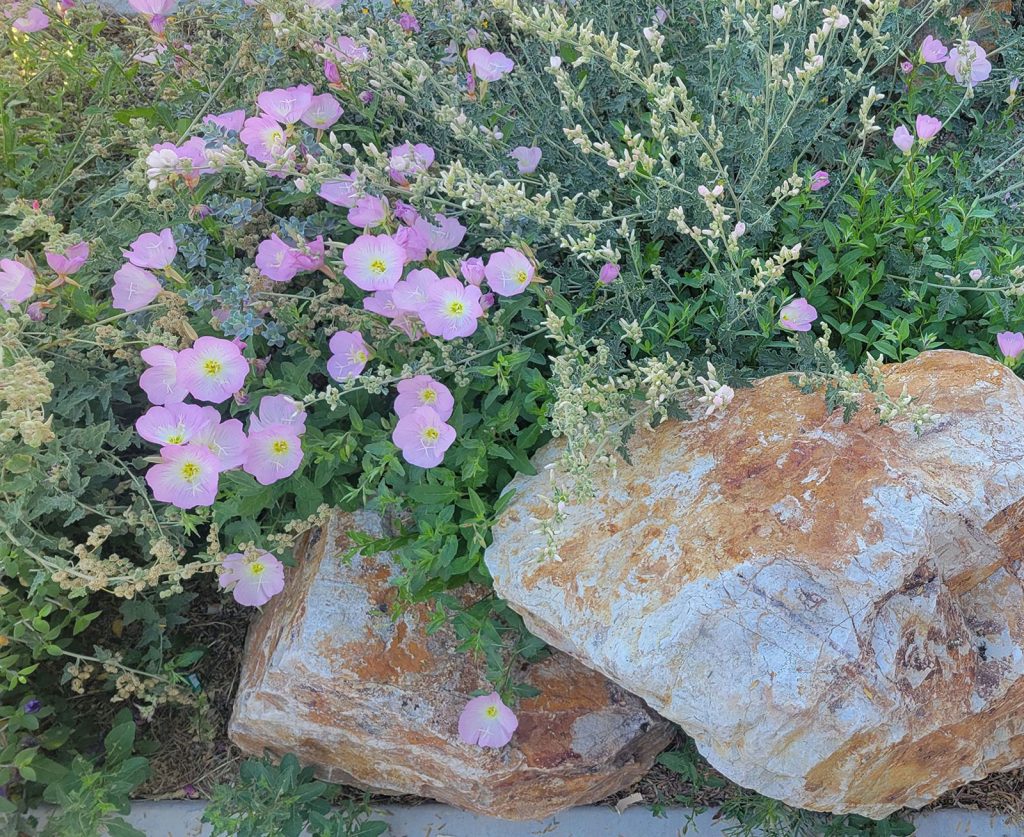
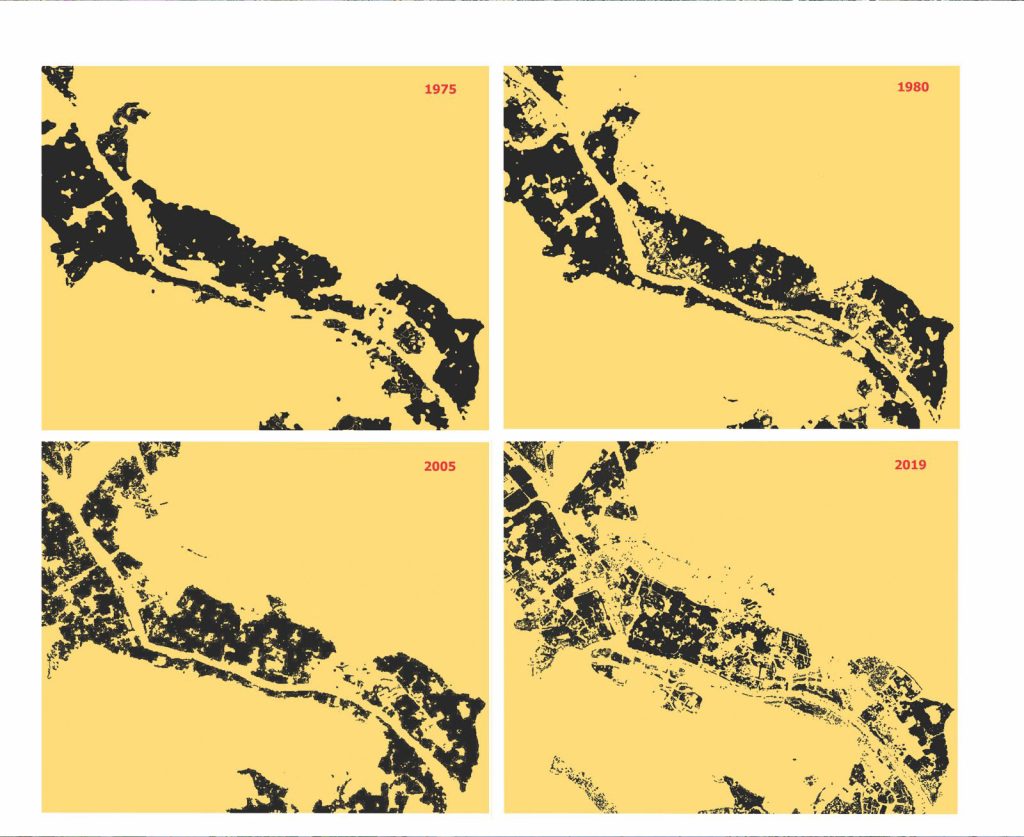
Drylands are fragile and tough at the same time. With sound planning from ridgeline to ridgeline, protection of watersheds, managed grazing, thoughtful afforestation, and understanding of a landscape’s history we can plan for its sustainable future. I am particularly interested in tracking long-term vegetation change in data-poor settings.
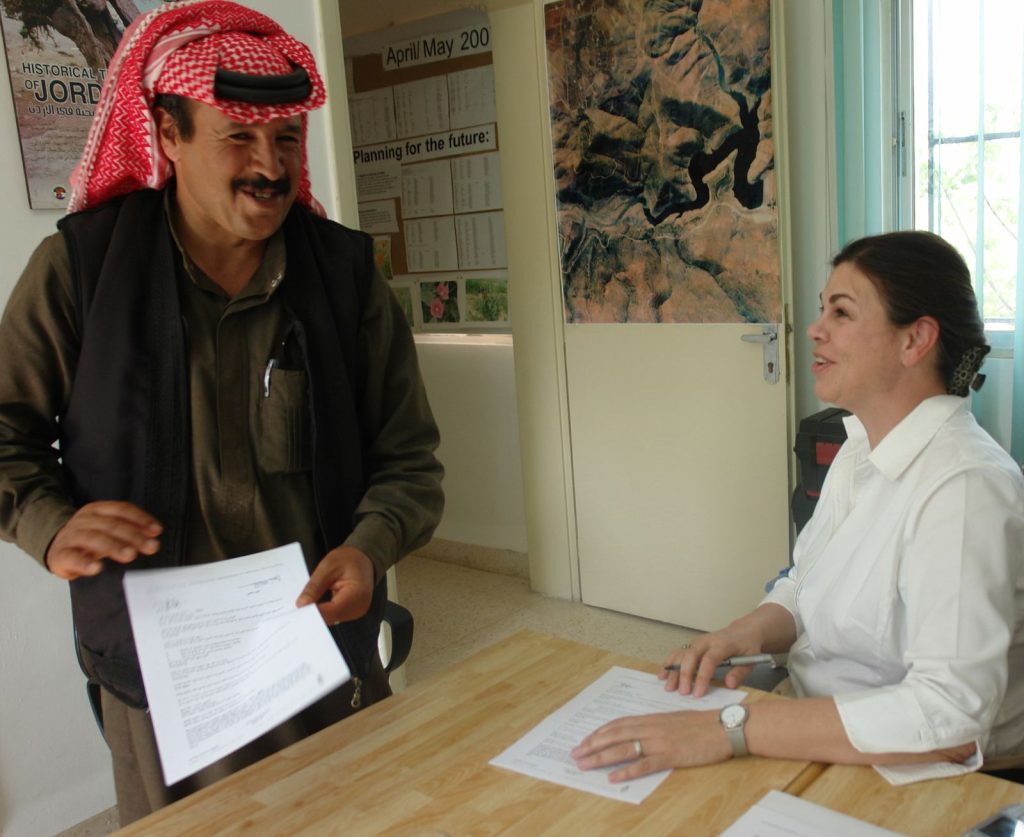
Sound site analysis is the foundation for good design and planning. Understanding what exists and how a site came to be what it is allows us to keep what’s working, remediate what’s not, and make a workable plan for the future. My training as an historian and landscape architect help me to understand the trajectories that have converged
to create a particular site, forecast what it might become, and how to sustain that vision.
Cultural heritage sites are landscapes where we move through both time and space. While there is a well-developed discipline for the conservation of cultural remains, their landscape context is often neglected. Buildings may often be rebuilt, but frequently their landscape contexts are have changed, are changing, irrevocably. My work combines site analysis and historiography with user-sensitive design to plan for landscape interventions at cultural heritage sites such as Petra,the Citadel of Amman, and at-Turaif.